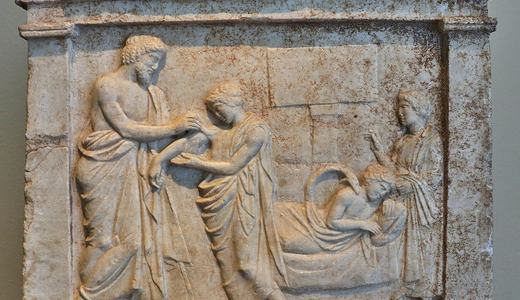
Dream Incubation at Epidaurus
You slept in the hall, the god came in the night and operated on you, and you woke up cured. The sanctuary carved seventy of these accounts on stone and put them where the patients would read them before bed.
Read→5 min
Reading the future in books, caves, lightning and livers, and the institutions built around the answers.
You slept in the hall, the god came in the night and operated on you, and you woke up cured. The sanctuary carved seventy of these accounts on stone and put them where the patients would read them before bed.
Read→5 min
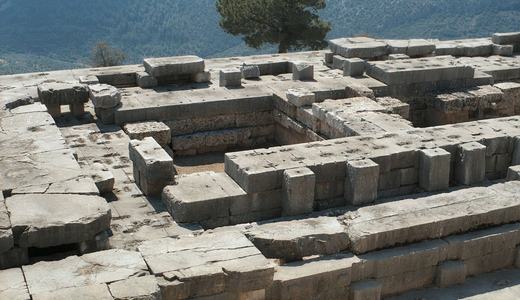
Plutarch said a sweet-smelling vapour rose in the temple. Excavators found no chasm and called him a liar for a century. Then a geologist found two faults crossing under the floor.
Read→5 min
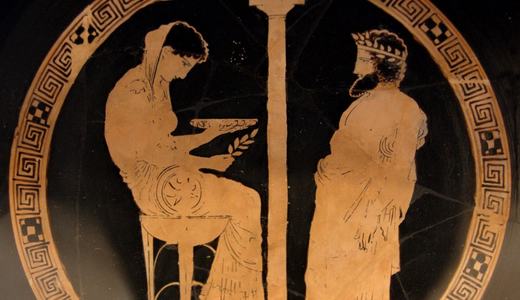
Strip out the Victorian painting: the writhing, the fumes, the priests translating gibberish into verse. What's left is an appointments system, a fixed fee, a queue, and mostly yes-or-no answers.
Read→5 min
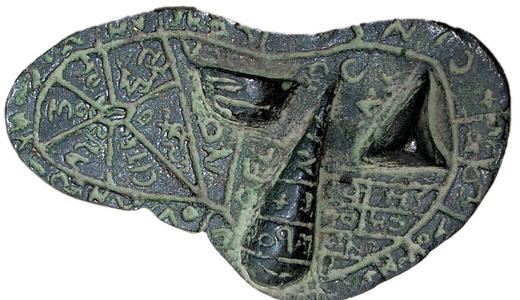
A bronze sheep's liver divided into forty regions, each carrying the name of a god. It's the surviving instrument of a discipline Rome relied on for eight centuries — and whose sacred books are gone to the last page.
Read→5 min
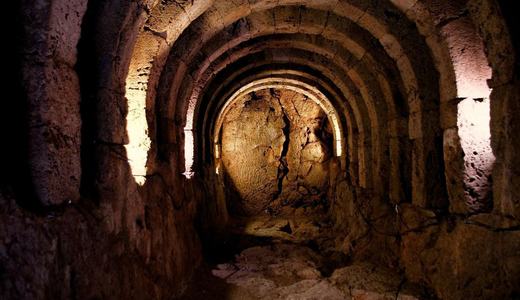
The guidebooks call it the Necromanteion — a labyrinth where pilgrims were drugged in the dark and shown the dead by machinery. The excavator's reconstruction is thrilling, hugely influential, and almost certainly wrong.
Read→4 min
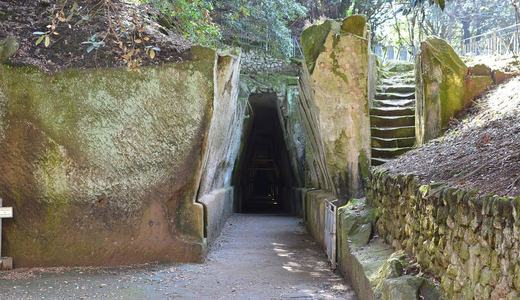
Locked in a stone chest under the Capitol, readable by fifteen priests, openable only when the Senate voted. Rome ran a classified archive for a thousand years — then destroyed it twice.
Read→5 min